Math does not have to be a struggle.
By far one of our favorite subjects is math. It is the easiest to tie together real-life application, which is crucial for lasting impact.
When you move math off the worksheet and into your child’s hands, it will click. Below are our favorite ways to make fractions and mixed-number multiplication both fun and memorable with a few real examples to show how it’s done!
Let’s get into it.
Example Fraction Problems to Try Together
Before diving into hands-on fun, it helps to walk through a few examples step by step. You can work these out together on a whiteboard or in your homeschool notebooks. These particular examples were a part of our book work from the other day:


Tip for Parents
Have your child show every step of the problem including converting, multiplying, simplifying, and rewriting as a mixed number. It reinforces understanding and builds confidence!
Hands on Math
1. Kitchen Math (Fractions in Action)
The kitchen is one of the best classrooms you will ever have! Try baking cookies, muffins, or brownies together and let your child do the measuring.
Have them double or halve the recipe.
Let them measure out ingredients like 1 ½ cups of flour or ¾ teaspoon of salt.
Ask questions like, “If we need ¾ cup and we double it, what do we get?”
You will see their understanding of fractions deepen as they stir, measure, and mix their way to delicious success. Besides, kids are way more motivated to learn when there is a sweet reward at the end!
2. Building with Fractions (LEGO or Blocks)
If your child loves to build, this one is a hit!
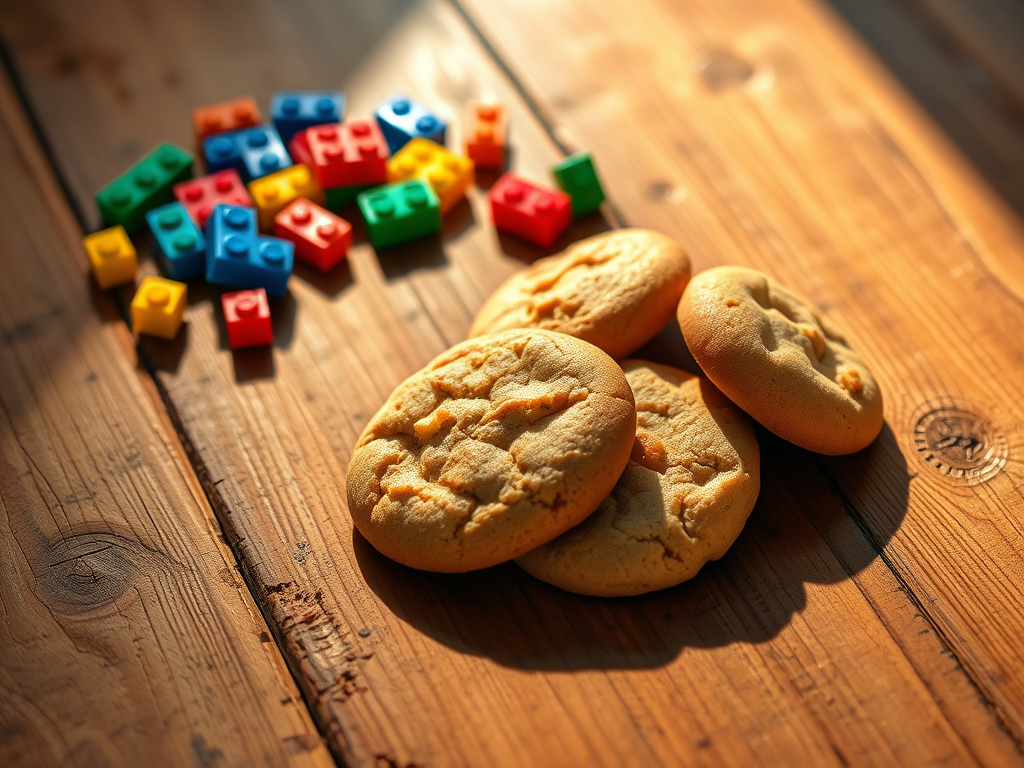
Assign fractions to LEGO pieces, for example, a 2-stud piece equals ½ and a 4-stud piece equals 1.
Challenge them to build a tower that equals 3 ½ using halves and wholes.
Then mix a little multiplication in there: “If each tower is 1 ½ blocks tall and we make 4 towers, how tall will all of them be stacked together?”
This approach is hands-on, visual, and gives fractions a physical meaning.
3. Baking Math
Since baking is one of our favorite things to do, this one came naturally.
Pretend you are making fractional batches of cookies or cake pops and ask questions such as: “If 1 batch makes 12 cake pops, how many will 2 ⅔ batches make?”
You can use real cookies or cake pops, drawings, or even pom-poms for visual learners. It is fun, colorful, and full of opportunities for fraction talk!
4. Fraction War (Card Game)
Turn math practice into game time!
You will need:
A deck of cards (A=1, J=11, Q=12, K=13).
How to play:
Each player draws two cards. The first is the numerator, the second is the denominator.
Whoever has the largest fraction wins the round.
To take it up a notch, multiply your fraction by another to see who gets the biggest product!
It is simple, fast-paced, and sneaks in fraction comparison and multiplication practice at the same time.
5. Measuring Madness
Bring out the ruler, yardstick, or measuring tape and let your student measure real objects.
Measure furniture, boards, or garden beds in mixed units (1 ft 3 in, 2 ft 7 in).
Ask, “If this board is 1 ½ ft long and we need 6 boards, what is the total length?”
It is practical math that builds spatial sense and confidence with units.
6. Real-World Word Problems
Make math personal and fun by weaving it into your child’s world:
“If you have 4 ⅓ scoops of chicken feed and use ⅔ per coop, how many coops can you feed?”
“If your pig Saucy eats 1 ½ pounds of feed each day, how much will she eat in 10 days?”
When math connects to their farm chores, pets, or hobbies, it sticks because it is math that matters.
7. Interactive Fraction Art
Let creativity meet math!
Draw a large rectangle or circle and divide it into equal parts.
Shade in fractions and label them (⅓ red, ¼ blue, etc.).
Then “multiply colors”. For example, find half of the blue section or two-thirds of the red section, and color the overlap.
It is a visual way to demonstrate how fractions multiply, and it makes for a beautiful piece of math art to hang on the fridge. It helps students see that multiplying fractions does not make things bigger like whole numbers do because it is finding a part of a part.
Wrapping It Up
When kids can see and touch math, they understand it on a deeper level and even start to enjoy it. Whether you are stirring batter, stacking LEGOs, or building a fort, you are teaching valuable math skills that last a lifetime.
So grab a deck of cards or a measuring cup, and your creativity and turn today’s math lesson into a memory!
What are some of your favorite tips and tricks you use with your family? Share them below with the rest of us!
Until next time, my friends.





Leave a Reply